The Chust Knife: From an Ancient Craft to a Tourism Brand
Tourism
14.07.2026
Chust, located in Uzbekistan’s Namangan Region, is renowned as one of the country’s traditional handicraft centres. The city is particularly famous for its distinctive knives and embroidered skullcaps. Today, the Chust knife is valued not only as a practical object but also as a cultural tourism brand reflecting the history, artistic taste and craftsmanship of the Uzbek people.
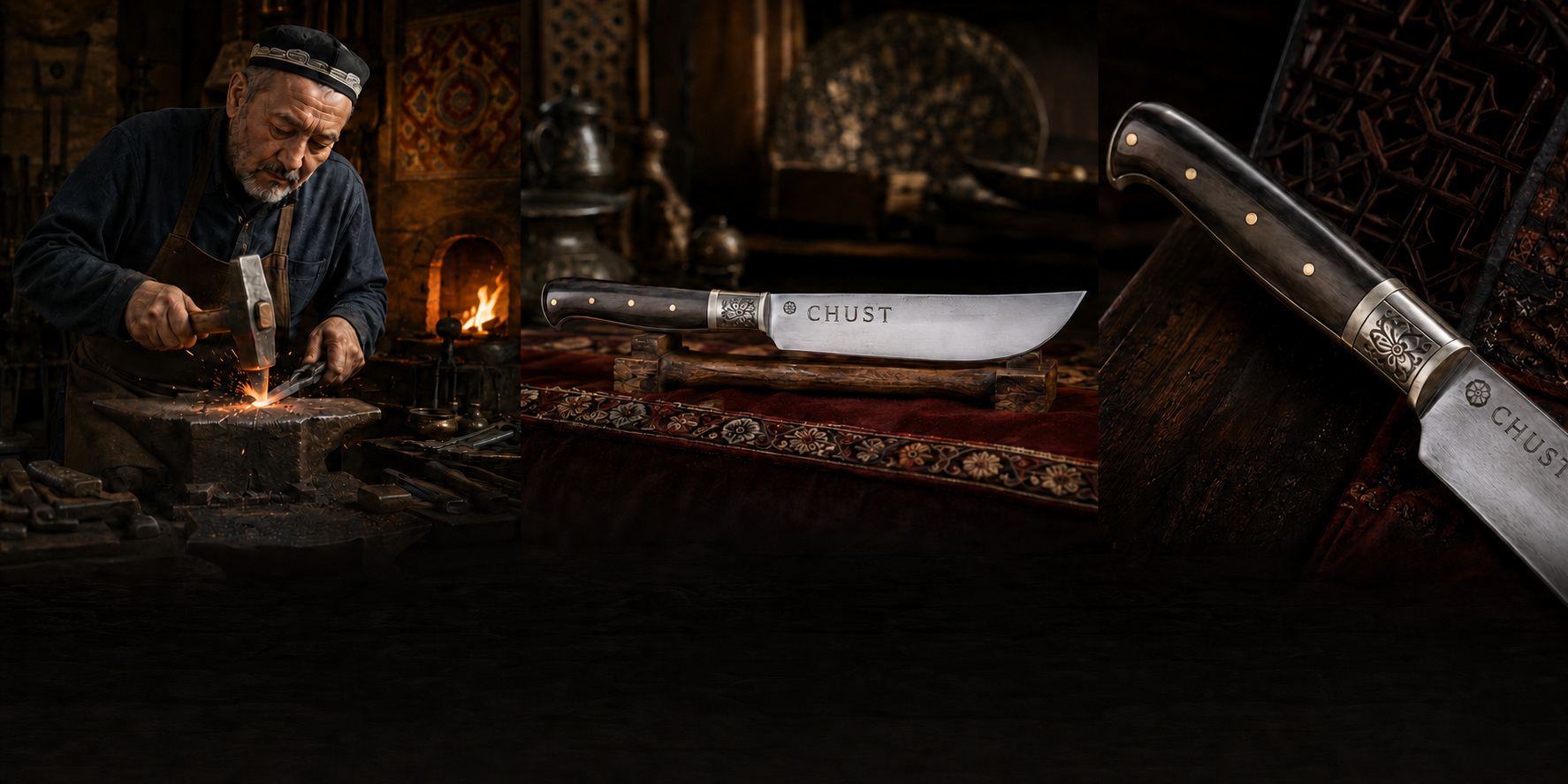
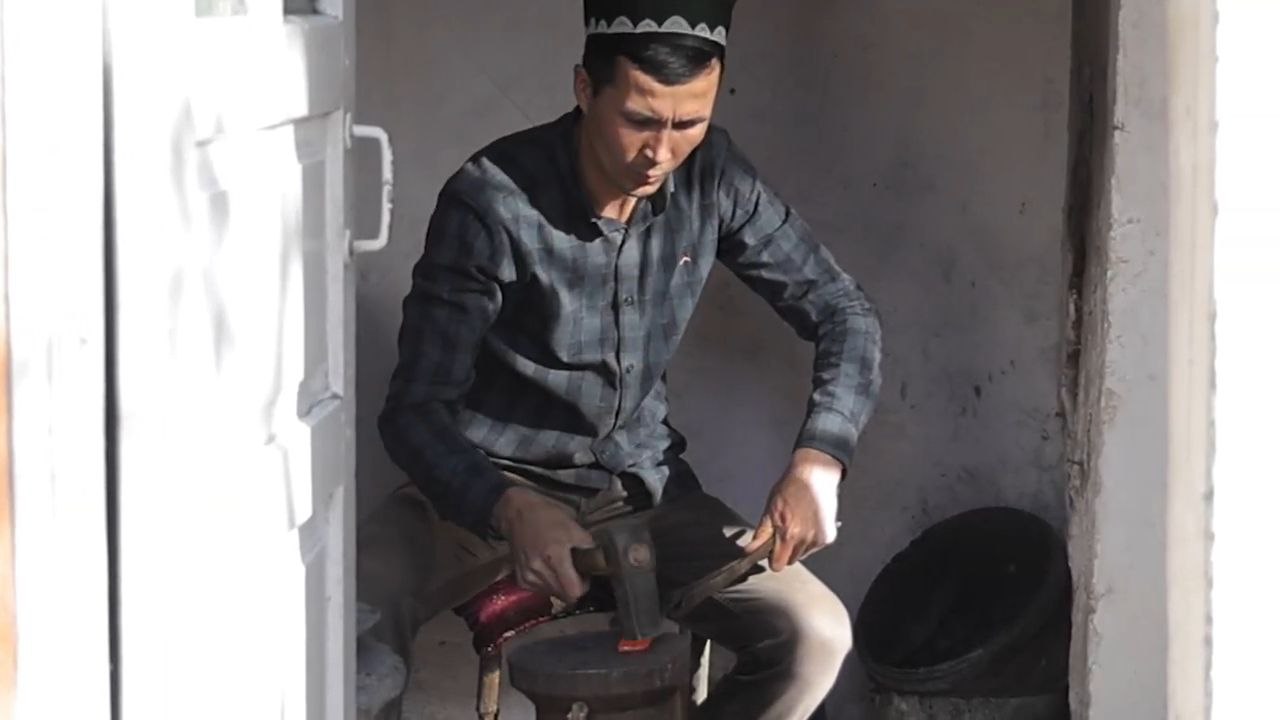
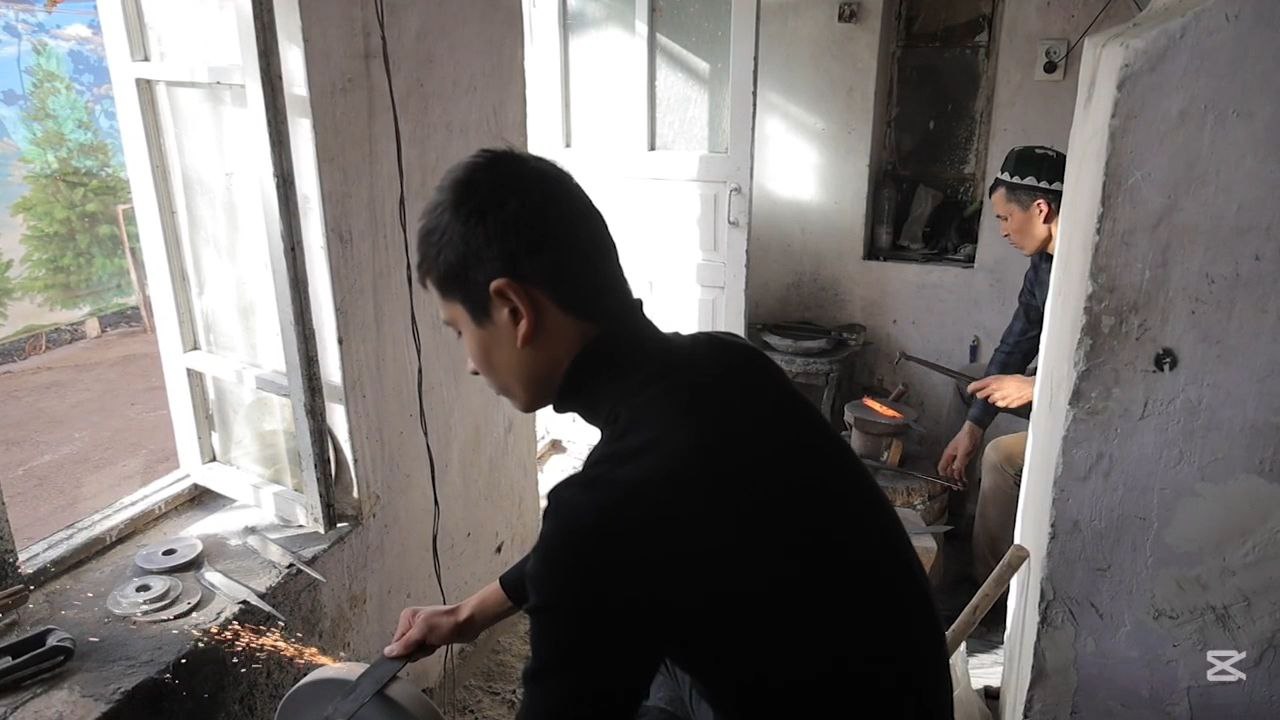
The history of knife-making in Chust dates back to the eighth century BC. For centuries, the secrets of the craft have been passed down through the traditional ustoz–shogird, or master–apprentice, system. A historic quarter of suzangars—blacksmiths specializing in knife-making—remains at the heart of the city, where craftsmen continue to produce traditional Uzbek knives by hand.
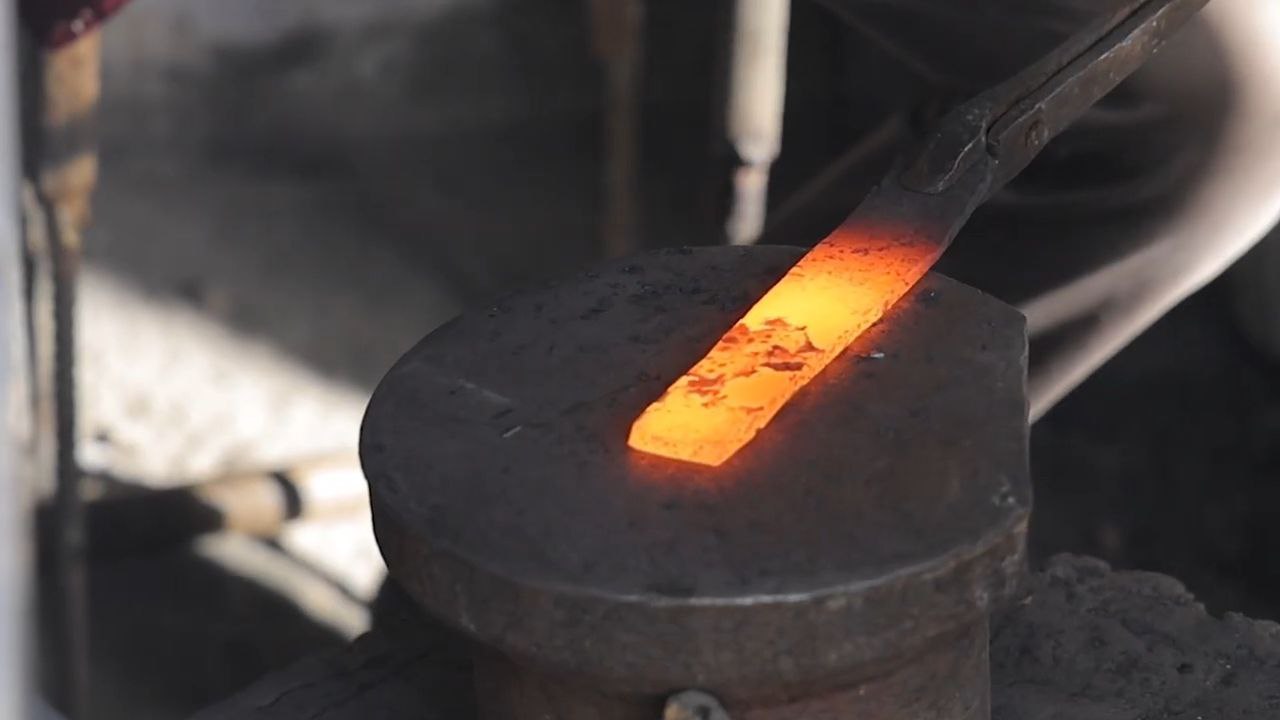
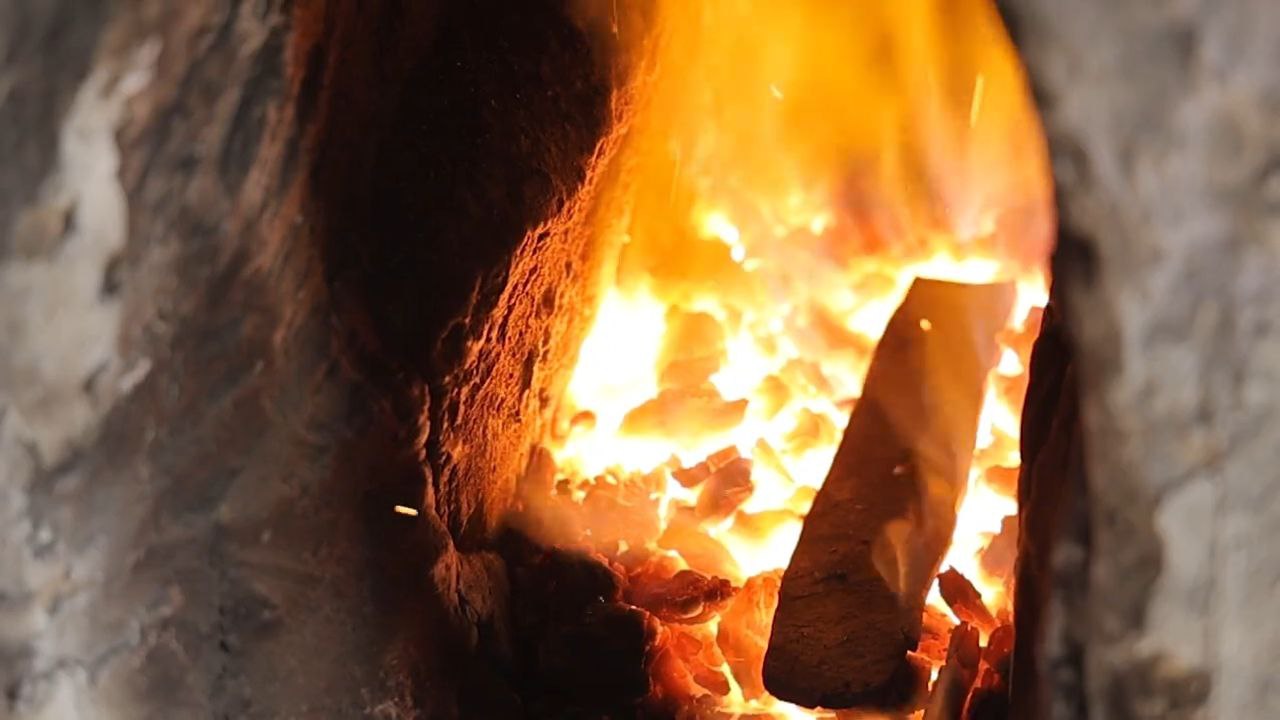
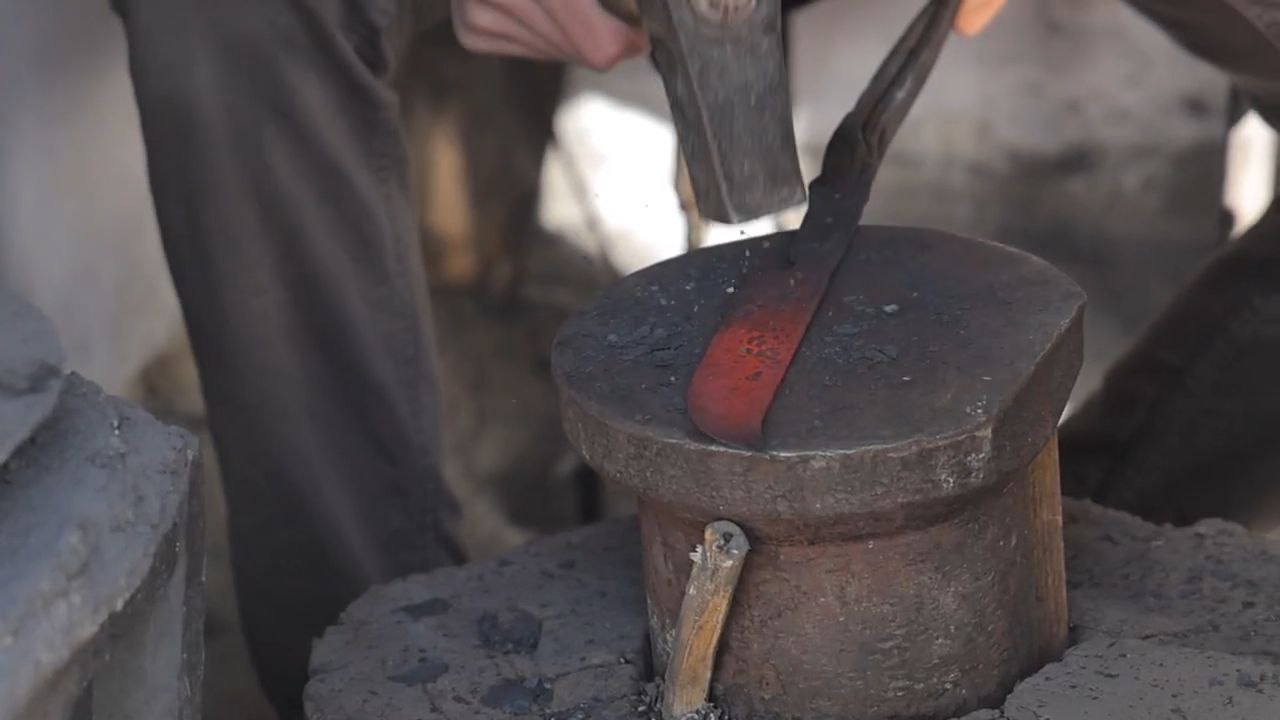
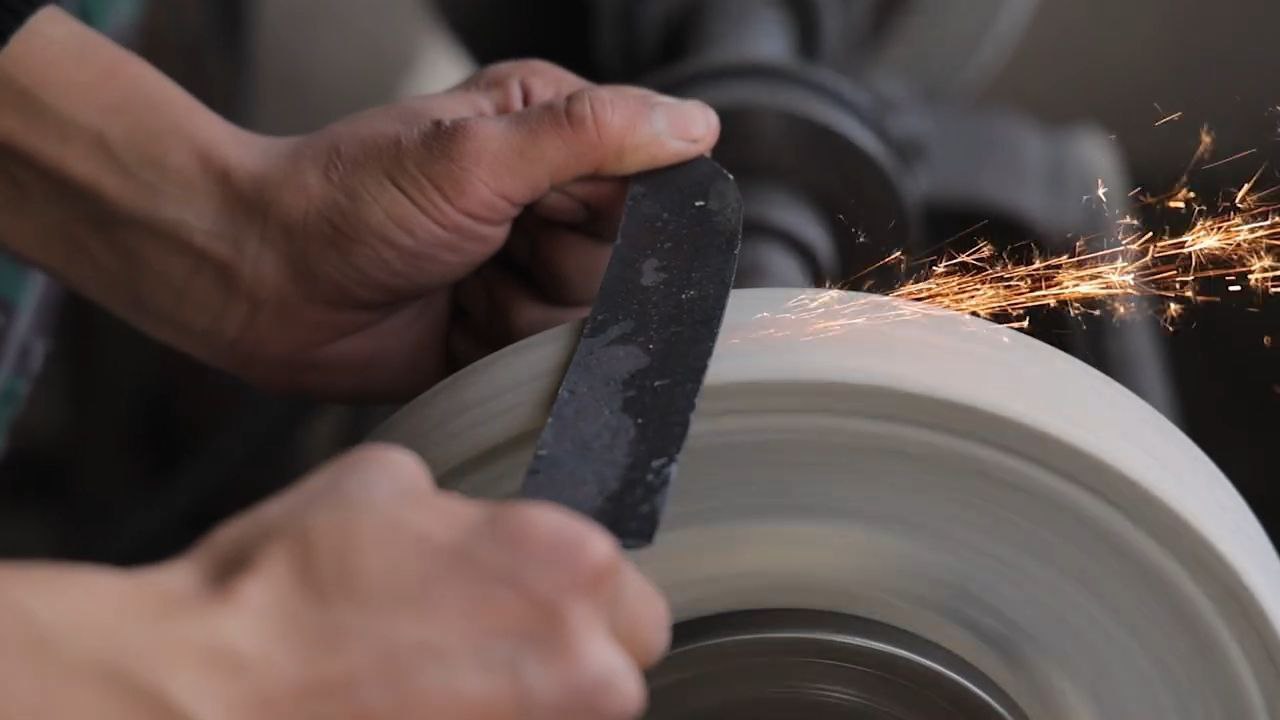
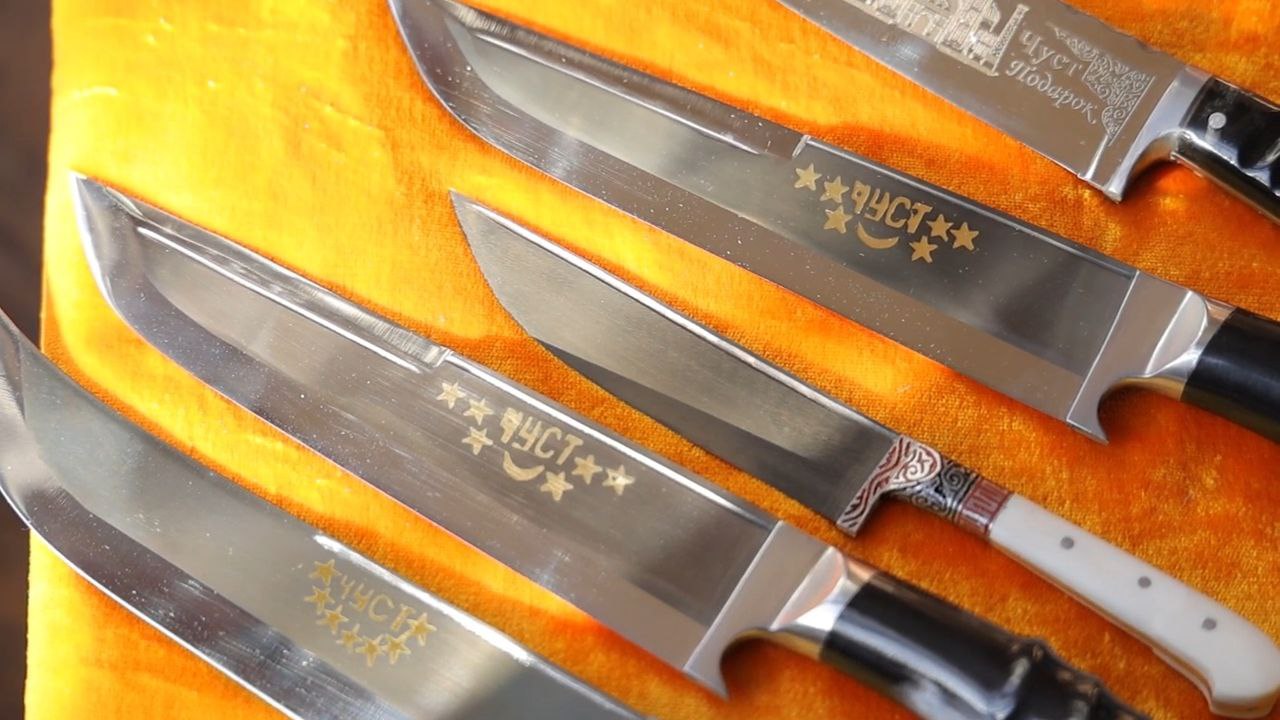
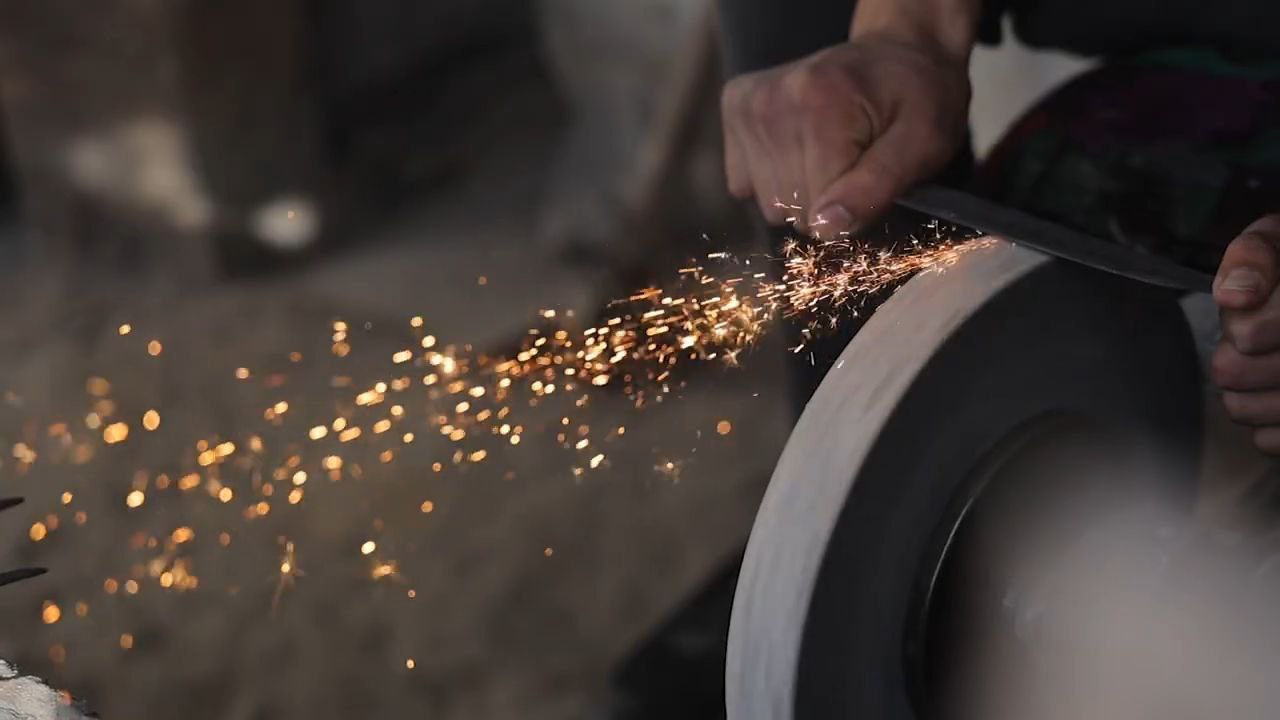
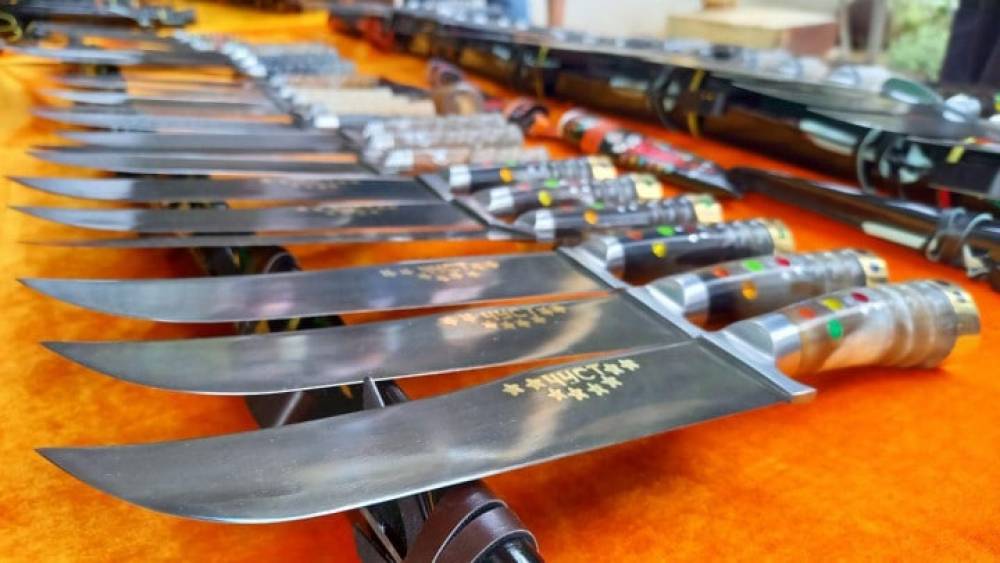
Creating a Chust knife involves several demanding stages, including selecting and heating the metal, forging and shaping the blade, hardening, sharpening, polishing and decorating the handle. Chust knives are distinguished by their lightness, elegant shape, slightly upturned blade tip and characteristic handle. A craftsman’s mark is traditionally placed on the blade to identify its origin and maker.
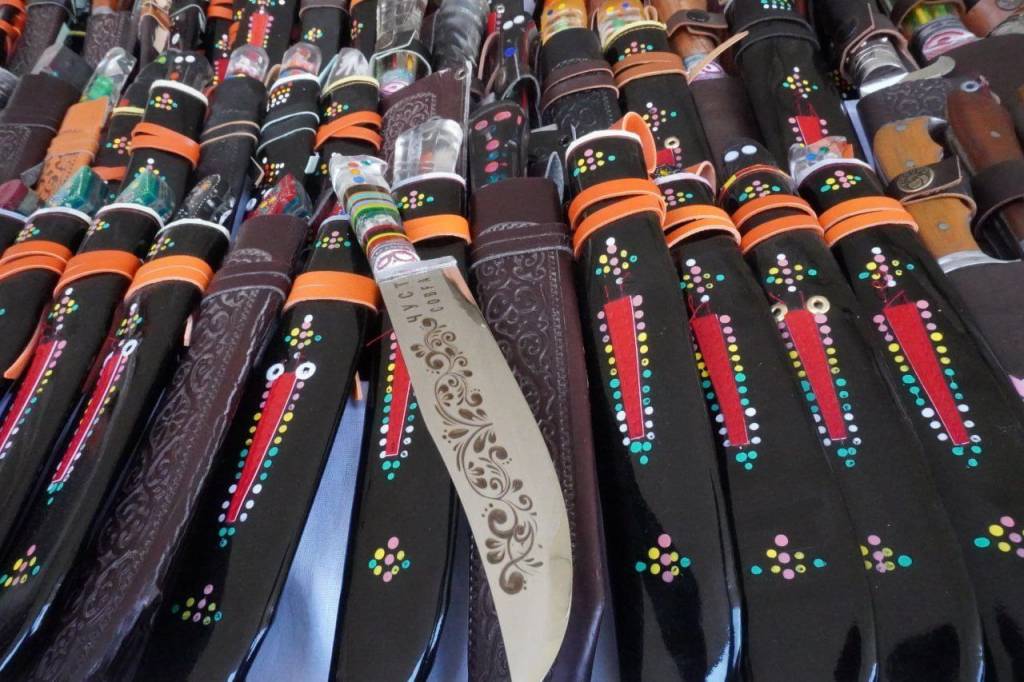
Engraved metalwork, finely decorated handles and national motifs such as spring tulips and cotton flowers transform the knife into a work of applied art. Richly ornamented examples are commonly known as guldor pichoq, meaning a decorated or floral-patterned knife. Today, Chust knives are valued as household items, memorable gifts, collectors’ pieces and outstanding examples of Uzbek craftsmanship.
Visitors to Chust can enter local workshops, observe the production process, meet hereditary craftsmen and purchase authentic handmade pieces. The Chust knife-making centre is therefore an important destination for cultural and craft tourism in the Namangan Region.
Discovering the Chust knife is more than a workshop visit—it is an opportunity to witness how ordinary metal is transformed into art by the hands of a skilled master. Promoting this heritage through tourism helps preserve ancient traditions, support local artisans and strengthen Chust’s appeal as a cultural destination.
Photos